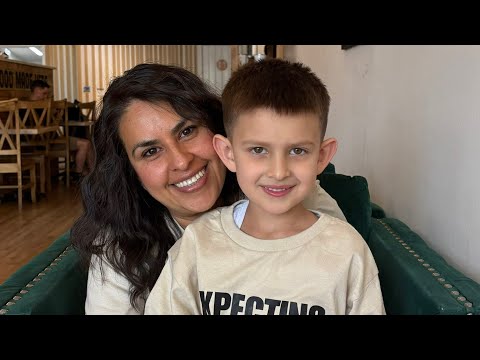
In this Spanish-language conversation, I sit down with Sebastián’s mother to talk about life with a seven-year-old child diagnosed with severe autism and PANS/PANDAS. We compare the changes we noticed in our children, the struggle to have those changes taken seriously, and what happened when medical treatment became a clearer part of the plan. She shares the improvements she has seen during Sebastián’s treatment, including intravenous immunoglobulin (IVIG).
From early development to repeated setbacks
She begins with her pregnancy and Sebastián’s first months, describing a baby who smiled, interacted and developed new skills. She then recalls changes in connection, language, eating and sleep. Losing words and struggling with basic daily routines became important parts of the history she wanted doctors to understand.
We discuss his autism evaluation and an intensive therapy schedule. She describes a painful pattern: Sebastián would learn, become ill and lose ground again. Some changes were gradual; others, particularly eating and sleep difficulties, felt much more abrupt. We talk about why those patterns led us to keep asking questions beyond the original diagnosis.
A different conversation about treatment
His mother describes trying multiple approaches, including trips abroad for stem-cell interventions. She reports that one later treatment was followed by worsening while he was already struggling, prompting her to reconsider what needed attention. We discuss the relief of finding a clinician who recognized her concerns about PANS/PANDAS.
She describes treatment involving antibiotics, steroids, antihistamines and, later, IVIG. The changes she values are practical: responding to what happens around him, recovering everyday skills and navigating familiar activities with greater awareness. At the time of this conversation, she says Sebastián was receiving IVIG and was no longer taking antibiotics. These are her observations about his care, not a treatment schedule for other children.
We also discuss the tests she brought to her clinician, including the Cunningham Panel, and her experience obtaining approval for IVIG. Another recurring theme is the difficulty of finding a practitioner with relevant experience. Our PANS/PANDAS clinician directory offers families a starting point for that search.
Looking at the whole child
The conversation includes infections, Lyme-related questions, suspected mold exposure, digestive health and food choices. We share concerns about events around regressions, including illnesses and vaccination timing; those personal interpretations do not establish causation. We also talk about sleep, stress and creating a calmer daily environment.
His mother emphasizes that food and microbiome support have been important to her family, while saying they have not been the whole answer. We discuss other approaches families hear about, including hyperbaric oxygen and supplements, and the importance of knowledgeable clinical guidance. Her immediate priority is helping Sebastián become more stable, with enjoyable activities and future therapies considered around his readiness.
Trust, support and being included
We close by encouraging parents to describe what they see, ask questions and find support. We also talk about the loneliness families can experience and the friendships that grow when another parent understands. Sebastián’s mother ends with a reminder to look beyond the diagnosis and include children in everyday life. That wish for connection, dignity and a better future is at the heart of our conversation.
Jump to a topic
- 3:22 — Pregnancy, early development and first changes
- 13:00 — Language loss, diagnosis and intensive therapy
- 19:31 — Why the family looked beyond the autism diagnosis
- 24:23 — Finding a clinician and changing the treatment plan
- 27:35 — Eating, sleep, toileting and everyday improvements
- 33:44 — Infections, IVIG and finding experienced care
- 39:39 — Mold concerns and digestive health
- 44:31 — Sleep, stress and supporting daily wellbeing
- 50:30 — Current IVIG treatment and other approaches discussed
- 1:01:07 — A final message about including our children