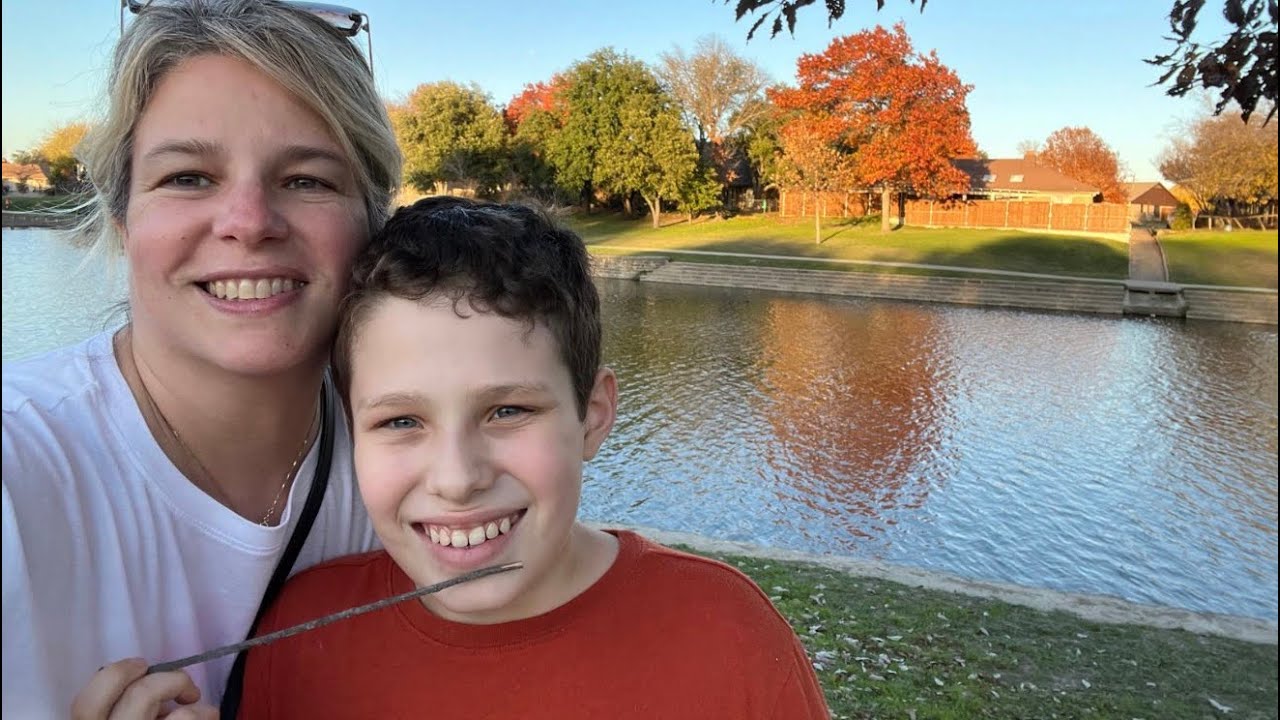
Marta, Marcos’s mom, joins me for a conversation about the questions that remain after an autism diagnosis. She describes the early changes she noticed in her son, the evaluations her family pursued, and the frustration of feeling that physical symptoms were being explained away. We also talk about the Interagency Autism Coordinating Committee, or IACC, and why families need a voice in conversations about research, care and lifelong support.
Marcos’s story and the search for answers
Marta looks back on changes in Marcos’s attention, eye contact and communication, and the uncertainty of those first evaluations. She explains how therapy became part of his life, while she continued asking about symptoms and fluctuations that did not feel fully understood. Her account includes periods of greater disconnection and skin reactions that prompted questions about his health.
We discuss the difference between receiving a diagnosis that helps a child access services and having that child’s individual medical needs assessed. Marta is not asking for random experimentation. She wants clinicians to investigate her concerns, explain their reasoning and help her understand what is happening. Our parent testing guide offers a way to organize questions for an appointment.
Why we talk about the IACC
The conversation moves from one family’s experience to the larger question of whose needs are heard. We discuss neuroinflammation, digestive concerns, access to experienced clinicians and the cost of looking for answers. These are topics families want to bring into research and care discussions, rather than manage alone.
The IACC’s official website explains its advisory role in coordinating autism-related activities and recommending priorities. Marta shows how she follows its work online. We encourage families to read the meeting information, watch available recordings and check the current instructions for public participation. The committee’s role is advisory; the hopes we share in this interview are not promises of funding, treatment access or insurance coverage.
- Bring specific concerns: describe the symptoms, barriers and support your family needs.
- Listen to different experiences: autistic people and families can have very different daily needs.
- Stay connected: use official meeting notices and community support to keep learning.
Support that lasts beyond childhood
One of the most personal parts of our conversation is the question so many parents carry: who will care for our children when we cannot? We talk about adulthood, supported living, communication and the strain on caregivers. We also discuss parent networks, including TACA, and how another mother’s experience can help a family find a useful question or a starting point.
Watch the full conversation in Spanish above, or choose a topic below. You can also explore our clinician directory and hear more families in Parent Interviews.
Jump to a topic
- 0:54 — Meet Marta and Marcos
- 8:20 — Early evaluations and the autism diagnosis
- 12:56 — Physical symptoms and questions that remained
- 19:31 — Medical care alongside therapy
- 22:20 — Introducing the IACC
- 28:30 — Respect, neurodiversity and individual health needs
- 37:19 — Following IACC meetings and participating
- 41:57 — Adulthood, housing and caregiver concerns
- 45:57 — Community voices and communication
- 54:20 — TACA and staying connected with other parents