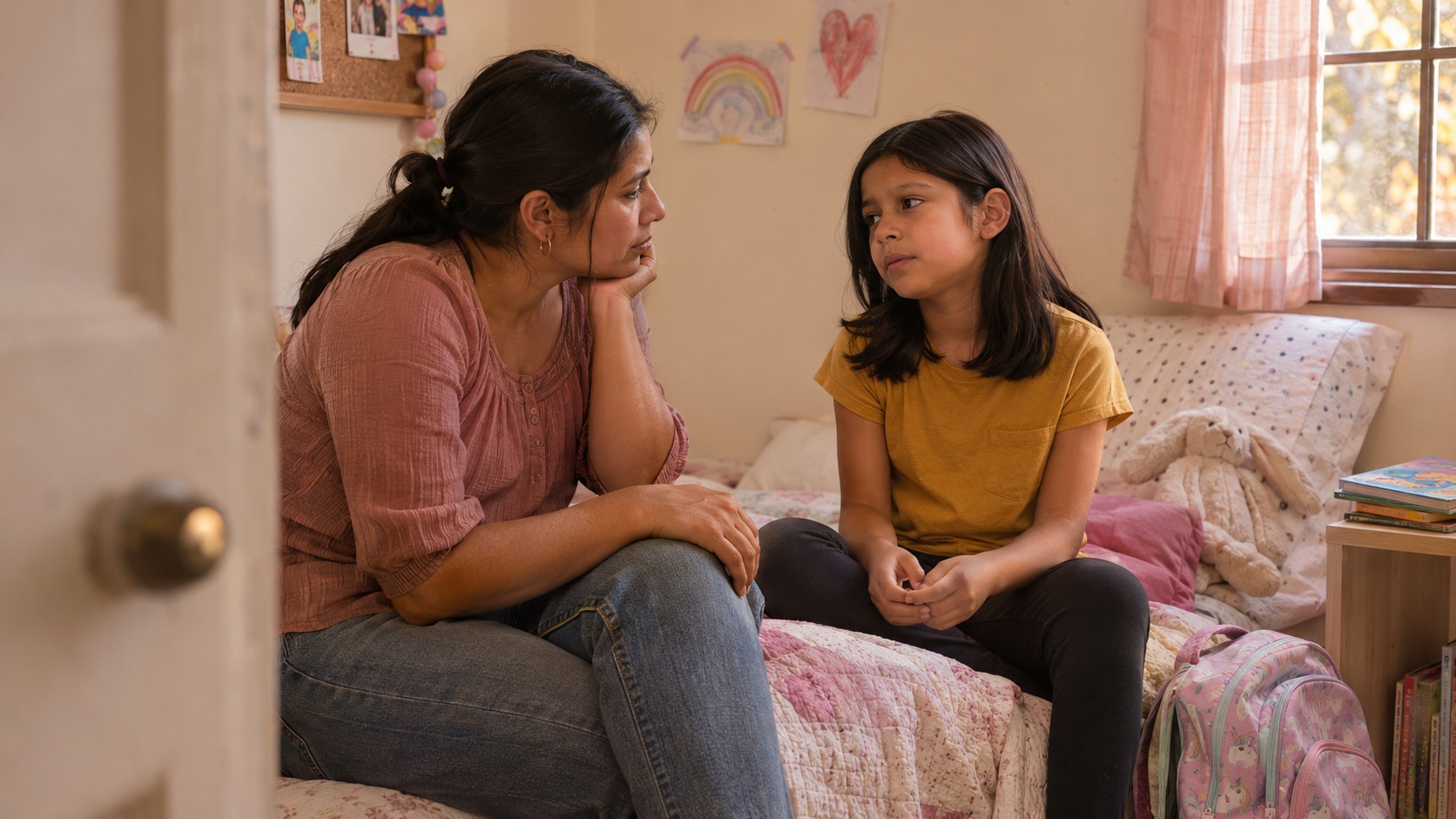
We should not normalize a child losing skills or suddenly struggling in ways they never did before. As Charlie’s mom, I want parents to feel able to ask questions when something changes. That is why I shared these PANS/PANDAS warning signs: to help families notice, document and seek answers.
These changes deserve attention in autistic children and in children without an autism diagnosis. Compare your child with their own usual abilities and behavior. A familiar diagnosis should not end the search for a new medical problem.
1. Sudden changes in behavior
Look for a clear change from your child’s usual self:
- Intense anxiety or panic attacks.
- New fears or unusual difficulty separating from you.
- Irritability or emotional outbursts that feel different.
- Agitation or a marked change in everyday behavior.
Write down when you first noticed it. Even when the timeline is less clear, a significant change still deserves evaluation.
2. Repetitive behaviors that suddenly intensify
The slides highlight distressing new rituals and obsessive fears:
- Feeling compelled to repeat actions or routines.
- Intrusive thoughts or fears that are hard to interrupt.
- Excessive handwashing or fear of contamination.
- An overwhelming need for things to be arranged a particular way.
Describe what changed and how it affects daily life. Not every repeated action is OCD; the distress, timing and clinical picture matter.
3. Changes in eating and sleep
- Suddenly refusing foods your child previously accepted.
- Intense fear of eating, choking or vomiting.
- New difficulty falling asleep.
- Frequent waking or a major disruption to normal rest.
Track food and fluid intake alongside sleep. If your child cannot drink, shows signs of dehydration or is rapidly deteriorating, seek urgent medical care rather than waiting for a routine appointment.
4. New or worsening tics
- Frequent blinking or facial movements.
- Involuntary head or shoulder movements.
- Repeated sounds, throat clearing or other vocal tics.
- A noticeable increase in movements your child cannot control.
A short video can help the clinician see what happens at home. Respond with patience; these movements are not something to punish.
5. Regression: losing skills
This is the message I most want families to hear: loss of skills deserves investigation. Notice whether your child:
- Stops doing things they previously managed.
- Loses communication or self-care skills.
- Develops new difficulty with schoolwork or everyday tasks.
- Needs substantially more help than before.
For an autistic child, document the difference from their own baseline. “They used to do this, and now they cannot” is useful information to bring to the appointment.
Where PANS and PANDAS fit
PANS involves abrupt onset of OCD or severely restricted eating alongside other sudden neuropsychiatric symptoms. PANDAS involves sudden onset or worsening of OCD and/or tics associated with a strep infection. Symptoms alone do not establish either diagnosis; a clinician evaluates the pattern and other possible causes. Our PANS/PANDAS diagnosis guide explains that process. The NIMH family guide is another useful reference.
Your next-step checklist
- Record the timeline: first changes, recent illnesses and how symptoms evolved.
- Bring examples: videos, earlier schoolwork and observations from caregivers.
- Request an evaluation: explain what your child could do before and what changed.
- Prepare questions: use our testing conversation checklist to discuss appropriate investigations.
- Find support: our MedMAPS directory guide explains one way to look for clinicians.
Our children deserve to be heard, evaluated and given the chance for a better life. Keep asking questions.