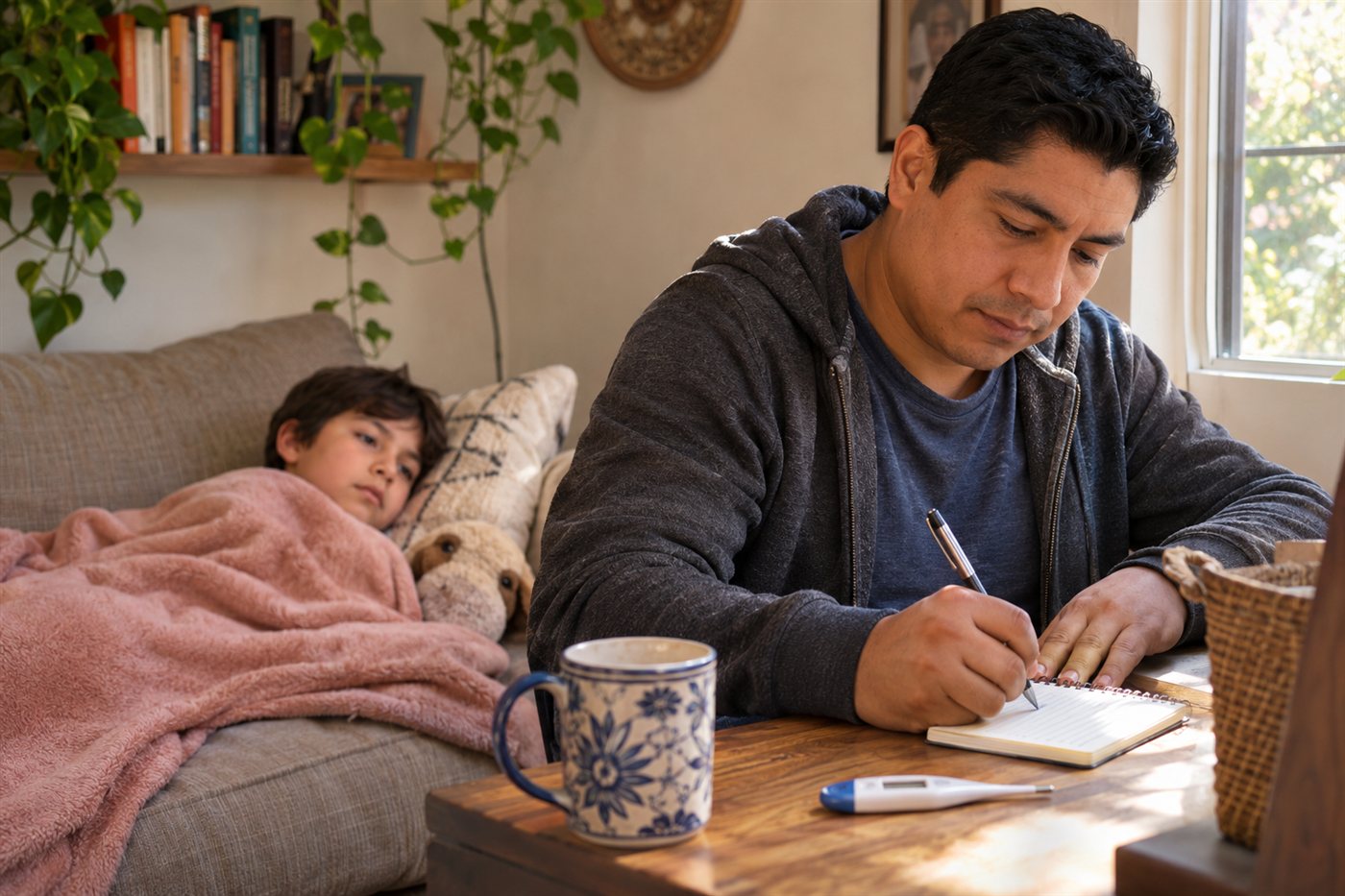

A sudden change deserves a closer look. When we talk about PANS/PANDAS triggers, we are asking what happened around the time a child’s symptoms began or intensified. Recording infections, exposures and symptom changes helps parents bring a clearer history to an appointment.
Start with the distinction
PANDAS is specifically associated with group A streptococcal infection. PANS describes a broader sudden-onset syndrome with several possible contributors. The child’s symptoms and exposure history guide which possible triggers to investigate. Testing should answer a specific clinical question.
Bacteria and vector-borne infections
- Group A strep: Streptococcus pyogenes.
- Respiratory bacteria: Mycoplasma pneumoniae and Chlamydia pneumoniae.
- Staphylococci: Staphylococcus aureus and other staph species.
- Borrelia burgdorferi: the bacterium associated with Lyme disease.
- Other infections: Bartonella and Ehrlichia.
- Babesia: a parasite, listed separately here because it is not a bacterium.
Viral infections
- Influenza A and B; SARS-CoV-2.
- Epstein–Barr virus (EBV); cytomegalovirus (CMV).
- Herpes simplex (HSV); varicella-zoster (VZV); human herpesvirus 6 (HHV-6).
- Enteroviruses, including Coxsackie viruses.
Other places an infection may be hiding
An infection history goes beyond a sore throat. Tell the doctor about:
- Respiratory problems, including sinus or bronchial symptoms.
- Gastrointestinal, dental or periodontal infections.
- Skin, perianal or vulvovaginal symptoms.
- Yeast infections or candidiasis; Toxoplasma gondii when exposure and symptoms make it relevant.
- Recent close contact with someone who was ill.
Other reported factors to put on the timeline
These items have different levels of evidence and may affect symptoms without causing PANS. Record a suspected connection rather than assuming one:
- Physical or emotional stress; seasonal or other allergies.
- Immune or inflammatory changes.
- Mold exposure, mycotoxins, pesticides or other chemical exposures discussed with the clinician.
- Metabolic concerns; dietary changes or particular foods.
- Anesthesia, medical procedures or loose teeth around the same period.
What parents can record
- What changed? New or stronger tics, compulsions, anxiety, irritability, disrupted sleep, restricted eating or lost skills.
- When? Write down the start date and whether the change happened abruptly or gradually.
- What happened nearby? Illness, exposures, medication changes or procedures.
- What evidence is available? Dated results, photographs when appropriate, and brief examples from home or school.
Symptoms can continue after an infection has passed, so the timeline matters as much as a single result. Bring it to a clinical evaluation. Our doctor directory is another starting point when you need someone familiar with these questions.